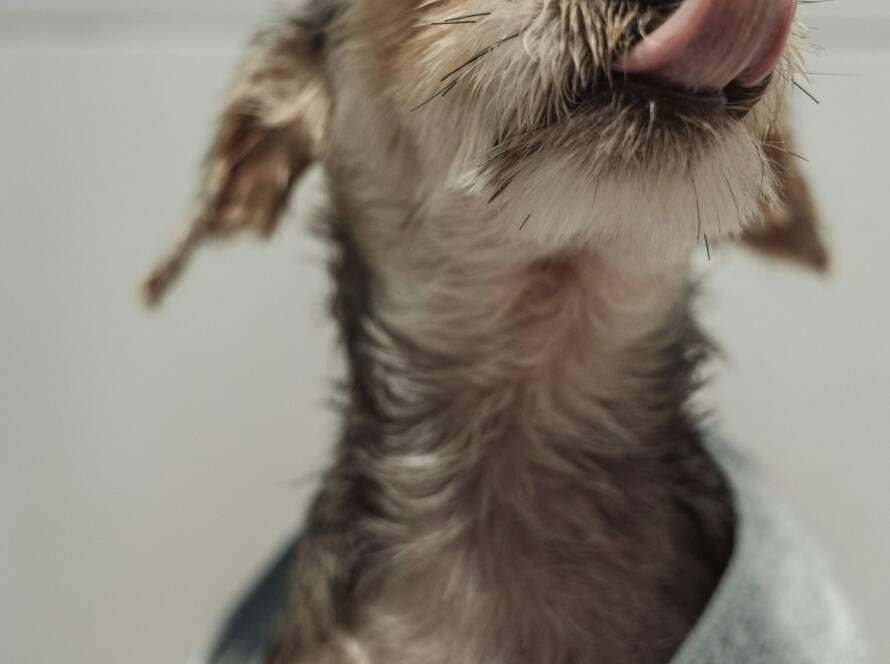


I get the same call almost every time someone brings home a puppy. Day three or four, usually. “I love him, but nobody told me it would be like this.” The floors are a disaster, nobody’s slept, and there’s a brand new corner missing off the couch. Nobody warns you that the cutest thing you’ll ever bring into your house is also about to run you completely ragged for a few weeks. That’s normal. That’s not you doing something wrong.
Here’s the part nobody tells you either: the chaos and the bond are happening at the exact same time. Every 2am trip outside, every “oh no” moment when you catch them mid-chew on your shoe, that’s where the relationship actually gets built. You’re learning your puppy’s signals, and they’re learning that you’re the person who shows up for them, every time, even at 2am. It doesn’t feel like progress when you’re mopping up an accident in your socks, but it is.
The biggest mistake I see new puppy owners make is waiting. Waiting until the puppy is a little older to start training, waiting until they’ve had all their shots to take them anywhere, waiting until the chewing gets “really bad” before doing anything about it. Puppies have a short window, roughly the first few months, where the world is still new and interesting instead of scary. That’s your window to get them out meeting people, seeing other dogs, hearing traffic and vacuum cleaners and thunderstorms in small, positive doses. Miss that window and you’re not in trouble, but you’re doing more work later to convince an older dog that the world is safe, instead of teaching a puppy that it already is.
Training in those early weeks doesn’t need to be complicated. Sit, stay, come, down, leave it. Short sessions, lots of praise, treats your dog actually likes. The goal isn’t a perfectly obedient puppy by twelve weeks. The goal is a puppy who’s learning that paying attention to you is the best game in the house.
House training is where I see the most frustration, and it’s almost always a consistency problem, not a smart-or-dumb-puppy problem. Out after every meal, every nap, every play session, praised like they won the lottery the second they go outside. Accidents are going to happen. They’re not a setback, they’re just puppyhood. Getting frustrated at a ten-week-old for not understanding a concept they’ve had a week to learn doesn’t speed anything up.
Chewing is the same story. Puppies explore the world with their mouths, full stop, and your job isn’t to stop that, it’s to redirect it. Plenty of appropriate chew toys, a puppy-proofed house, and closer supervision than you think you need, especially during teething. And the crate isn’t a punishment, whatever anyone told you. Done right, with soft bedding and a favorite toy and short sessions that build up slowly, the crate becomes the one place your dog actually chooses to nap in as an adult.
If I could get new puppy owners to internalize one thing, it’s patience over punishment. Every time you catch yourself getting frustrated, remember you’re not raising a finished dog, you’re raising a work in progress, the same way a kid isn’t a finished adult at age five. The dogs who turn into the calmest, most confident adults are almost never the ones who got yelled at the most. They’re the ones whose owners stayed consistent and patient long enough for good habits to actually stick.
You’re going to have a rough week or two. Maybe more. Hang in there. On the other side of it is a dog who thinks you personally invented fun.
Written by Ivan Rios, CDT
If you’re in the thick of it with a new puppy and want a hand getting started on the right foot, give us a call. We do this every day, and we’d love to help.